Namibia

Welcome To Namibia
Namibia

Unity in Landscapes & Cultures

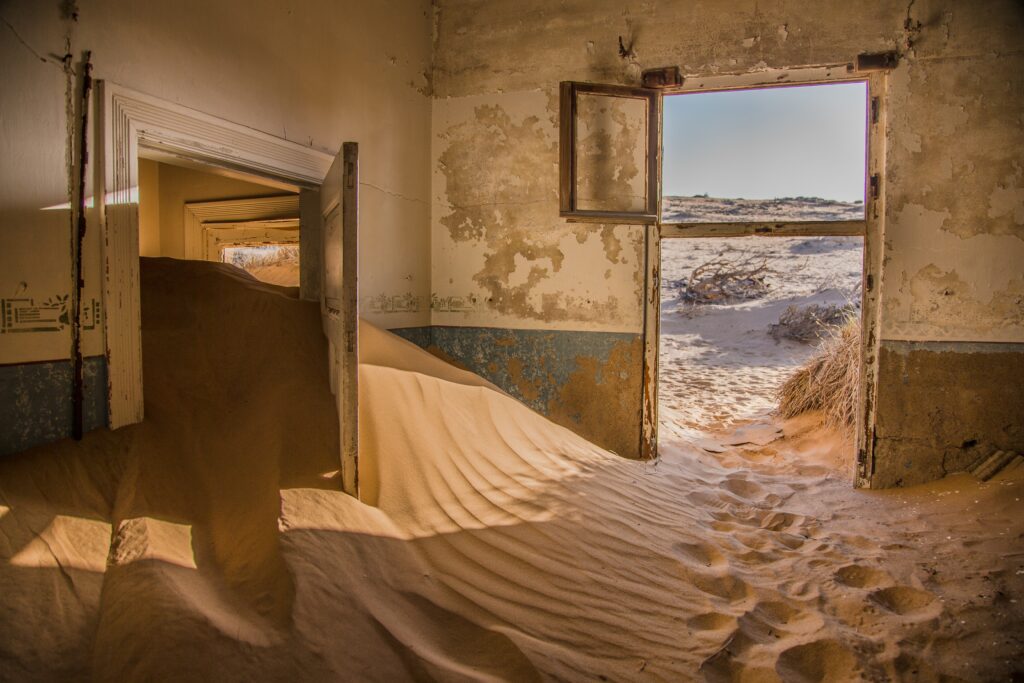
Namibia is truly unique, influenced by various cultures during colonization.What has emerged is a true sense of unity in diversity, the coming together of at least 11 major ethnic groups, each celebrating their past while working together toward the future. Part of the allure of Namibia is that it is four countries in one. Four different landscapes, each with its own characteristics and attractions. The most definitive is the Namib, a long coastal desert that runs the length of the country and is highlighted with migrating dune belts, dry riverbeds and canyons. The central plateau is home to the majority of Namibia towns and villages and is divided between rugged mountain ranges and sand-filled valleys. Next is the vast Kalahari Desert with its ancient red sand and sparse vegetation. Finally, Kavango and Caprivi, blessed with generous amounts of rain and typified by tropical forests, perennial rivers and woodland savannahs. If you looking for adventure, wellness, wildlife, business or leisure Namibia has it all for you.
Namibia

Why Visit Namibia

  1. Geography: Namibia is a large country with a diverse landscape, ranging from the Namib Desert, which is one of the oldest and driest deserts in the world, to the fertile Caprivi Strip in the northeast, which is a wetland area fed by several rivers. Namibia also has a long coastline along the Atlantic Ocean.

  2. Culture: Namibia is a country with a rich cultural heritage, with 13 different ethnic groups, each with their own language and customs. The Himba people, who are known for their distinctive red ochre skin and elaborate hairstyles, are one of the most well-known ethnic groups in Namibia.

  3. Wildlife: Namibia is home to a diverse range of wildlife, including elephants, lions, cheetahs, giraffes, and rhinos. The country is also known for its conservation efforts, with several national parks and reserves dedicated to protecting Namibia’s wildlife.

  4. Adventure: Namibia is a popular destination for adventure seekers, with activities such as sandboarding in the dunes, hiking in the Fish River Canyon, and wildlife safaris in Etosha National Park.

  5. History: Namibia has a complex history, with a colonial past that includes periods of German and South African rule. Namibia gained independence in 1990 and has since made significant strides in economic development and political stability.

  6. Economy: Namibia’s economy is largely based on mining, particularly of diamonds, uranium, and copper. Tourism is also an important sector, with visitors drawn to Namibia’s natural beauty and wildlife.
Namibia

Why Visit Namibia

  1. African Elephant: Namibia is home to a significant population of African elephants, with Etosha National Park being one of the best places to see these majestic animals.

  2. Black Rhinoceros: Namibia has one of the largest populations of black rhinoceros in Africa, with populations found in several national parks and reserves, including Etosha National Park and the Waterberg Plateau Park.

  3. Cheetah: Namibia is known for its large population of cheetahs, with many found in the central and northern regions of the country. The Cheetah Conservation Fund, based in Namibia, is dedicated to the protection and conservation of these beautiful animals.

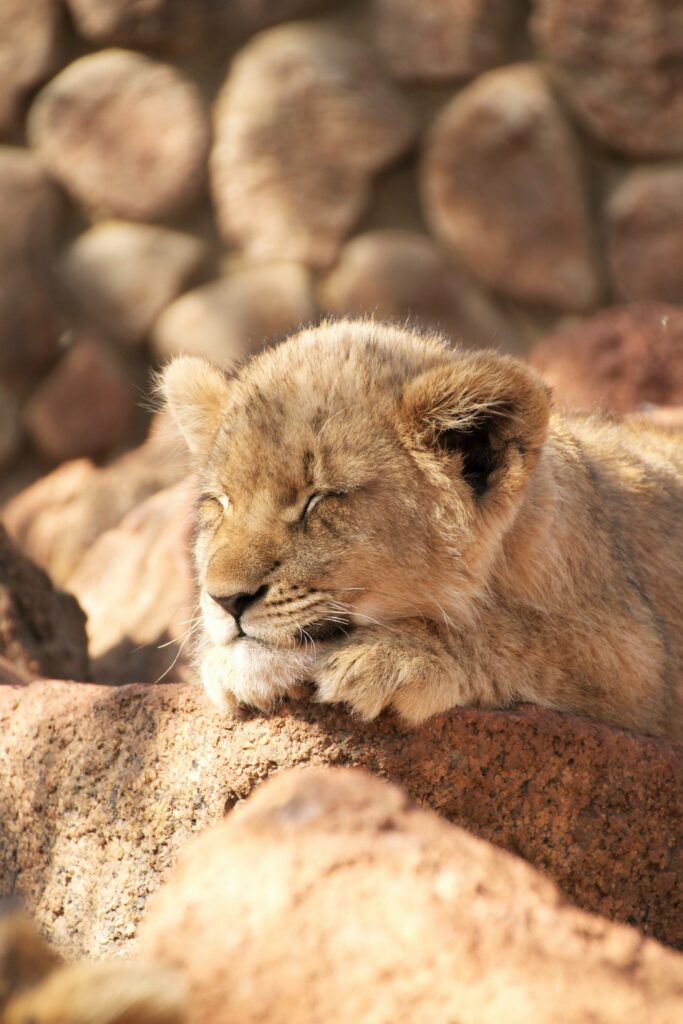
  4. Lion: Lions can be found in several national parks and reserves in Namibia, including Etosha National Park and the Namib-Naukluft National Park. Namibia’s lions are known for their distinctive black manes.

  5. Giraffe: Giraffes are found throughout Namibia, with several subspecies present in the country. The tallest animal on earth is a common sight in Etosha National Park, where they can be seen browsing on the trees
Namibia

Adventure In Namibia

  1. Sandboarding: Namibia is home to some of the tallest sand dunes in the world, and sandboarding is a popular activity for adventure seekers. The dunes near Swakopmund are particularly popular for sandboarding, with several tour operators offering sandboarding experiences.

  2. Hot Air Ballooning: Hot air ballooning is a unique way to see Namibia’s stunning landscapes, including the Namib Desert and the Sossusvlei Dunes. Several companies offer hot air balloon rides over these areas, providing a memorable and unforgettable experience.

  3. Hiking: Namibia has several stunning hiking trails, including the Fish River Canyon Trail, which is one of the most challenging hikes in Africa. The trail takes several days to complete and offers stunning views of the canyon.

  4. Quad Biking: Quad biking is a popular activity in Namibia, with several tour operators offering guided tours through the dunes near Swakopmund. It’s an adrenaline-fueled activity that provides a unique way to explore Namibia’s stunning landscapes.

  5. Canoeing and Rafting: The Orange River, which forms the border between Namibia and South Africa, is a popular spot for canoeing and rafting. The river passes through several scenic areas, including the Fish River Canyon, providing a unique and exciting way to explore the country.